How to Measure Brand Sentiment: Decoding Cultural Pulse
Velocity is the new currency of cultural intelligence. To master how to measure brand sentiment in a world that never stops moving, you need a framework that balances massive data ingestion with surgical precision.
Jembe.Intelligence
September 21, 2026
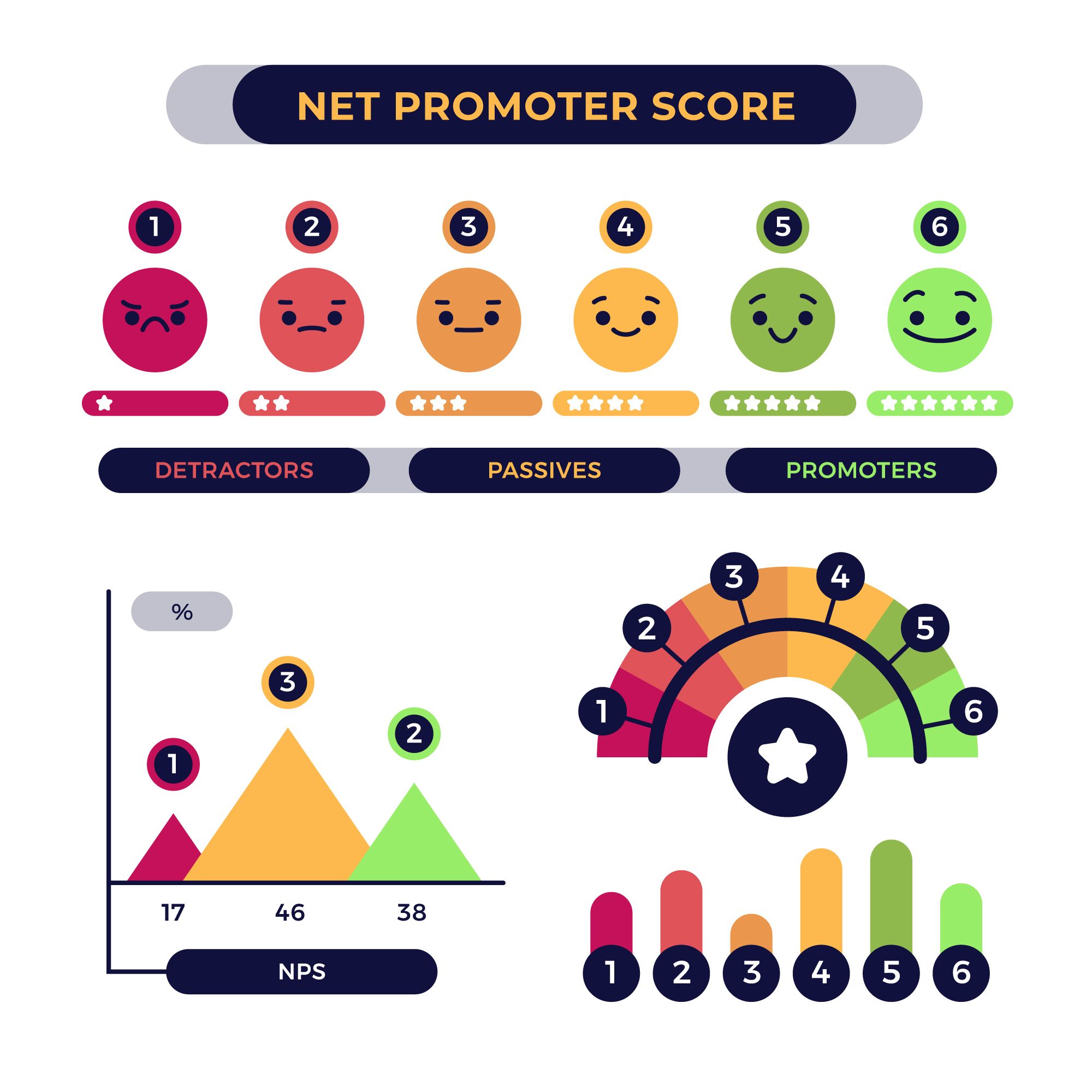
Your brand isn't a static data point. It's a living, breathing cultural narrative that evolves at the speed of a viral transcript. If you're still relying on binary positive or negative scores, you're navigating a high-velocity world with a paper map. You've likely felt the frustration of static data failing to capture real-time shifts or sentiment tools missing critical multicultural nuances. It's easy to get lost in the information overload without a clear strategic path forward.
This article solves that by teaching you how to measure brand sentiment using sophisticated frameworks and high-velocity tools designed for 2026. We'll move beyond raw consumer noise to help you build actionable cultural intelligence. You'll master a framework that reflects modern identity, explore tools that accelerate strategic evolution, and learn to create reporting that commands stakeholder buy-in. It's time to transform your data into a decisive competitive advantage.
Key Takeaways
- Evolve beyond binary metrics. Adopt a sophisticated framework centered on cultural fluency and real-time resonance.
- Master how to measure brand sentiment using high-velocity listening tools that categorize raw consumer noise into strategic identity clusters.
- Transform automated reports into custom cultural personas. This bridges the gap between data and strategy for hyper-targeted engagement.
- Identify high-value market white spaces. Leverage qualitative intelligence to decode the "why" behind shifting consumer sentiment.
Defining Brand Sentiment: Moving Beyond the Binary in 2026
Static scores are obsolete. In 2026, mastering how to measure brand sentiment means quantifying cultural alignment across diverse audience segments. It's no longer enough to track if people like you; you must know if you resonate within their specific identity clusters. We define brand sentiment as a dynamic indicator of a brand’s health within specific cultural ecosystems. Survival depends on speed and precision. Brands that fail to adapt their measurement frameworks will find themselves out of sync with the very communities they aim to serve.
The shift from binary tracking to deep cultural fluency is mandatory. Context-blind data is a strategic liability. If your analytics can't distinguish between ironic praise and genuine advocacy, you're flying blind. Monitoring the cultural pulse in real-time is the only way to maintain radical relevance. High-velocity environments demand a living intelligence system, not a rear-view mirror. You need a framework that breathes with the market, capturing shifts as they happen rather than weeks after the fact.
The Failure of Legacy Sentiment Analysis
Traditional keyword-based tools are failing. They miss the nuance of lived experiences and multicultural expression, often flagging sophisticated slang as noise. Historically, sentiment analysis focused on polarity, but modern strategy requires aspect-based depth. There's a danger in vanity sentiment, where high scores mask deep-seated cultural friction. When you rely on surface metrics, you miss the quiet fractures that lead to brand erosion. True intelligence decodes the subtext before it becomes a crisis.
A Multi-Layered Framework for High-Velocity Sentiment Measurement
Velocity is the new currency of cultural intelligence. To master how to measure brand sentiment in a world that never stops moving, you need a framework that balances massive data ingestion with surgical precision. Don't settle for static data that only looks at the past. You must build a system that captures the raw, unvarnished voice of the consumer and translates it into strategic momentum. This requires a four-step evolution from observation to action.
- Step 1: High-Velocity Social Listening. Capture raw data across every digital touchpoint to hear what consumers say when they think you aren't listening.
- Step 2: Automated Categorization. Utilize automated sentiment analysis to organize this noise into strategic identity clusters. This reveals how different subcultures perceive your brand values.
- Step 3: Syndicated Benchmarking. Overlay quantitative syndicated research to measure your performance against category-wide cultural trends.
- Step 4: Qualitative Deep-Dives. Conduct targeted studies to decode the "why" behind sudden data spikes or shifts in resonance.
Success requires more than just tools; it requires a mindset shift toward agility. If you're looking for a partner to help navigate these shifts, Jembe.intelligence offers the high-tech guidance needed to stay ahead of the curve.
Integrating Automation with Lived Experience
AI-driven reporting is your primary early warning system. It's essential for real-time brand reputation monitoring, flagging sentiment shifts before they escalate into mainstream crises. But metrics alone lack the texture of reality. Integrating video interview analysis and diary studies humanizes your data, providing the lived experience necessary to act with confidence. This hybrid approach ensures your strategy is both technologically advanced and humanly relevant.
From Data to Momentum: Activating Sentiment for Strategic Evolution
Data without activation isn't just a missed opportunity; it's noise. Understanding how to measure brand sentiment serves as the catalyst for total strategic evolution, moving your brand from a reactive posture to one of proactive leadership. We don't just collect data points. We transform sentiment reports into custom cultural persona development to ensure your engagement is hyper-targeted and radically relevant to the people who matter most. Continuous sentiment monitoring allows for a living brand strategy that adapts at the speed of culture.
Refining how to measure brand sentiment across your organization creates a map to the future. It identifies unmet consumer needs and exposes white-space opportunities that competitors are too slow to see. To capitalize on these insights, you need a Cultural Operating System. This framework socializes sentiment intelligence across marketing, product, and executive teams, ensuring every department moves with the same urgency and strategic clarity. Don't let insights sit in a PDF; inject them into your brand's DNA.
Building Radical Relevance with Cultural Intelligence
Mastery is the ultimate goal of any sophisticated measurement strategy. Moving from simple monitoring to true mastery requires understanding what is cultural intelligence and how it shapes brand perception. Research into real-time sentiment tracking proves that AI-driven emotional decoding is far more effective than legacy surveys at scale. The Jembe platform accelerates this journey, providing the high-tech guidance needed to turn raw noise into a decisive strategic advantage. We provide the tools to bridge the gap between information and impact.
Mastering the Cultural Pulse: The Path to Radical Relevance
Legacy metrics are no longer enough to sustain growth in a high-velocity market. You've learned to bypass binary data in favor of a visionary cultural intelligence framework that prioritizes resonance and fluency. By integrating real-time automated sentiment reports with managed qualitative research expertise, you transform raw consumer noise into a living strategy. This multi-layered approach ensures your brand adapts at the speed of human identity. It's about movement; it's about precision; it's about staying ahead of the curve.
Mastering how to measure brand sentiment is your most potent tool for identifying white-space opportunities and engineering radical relevance. Don't let your data sit static while the world moves forward. It's time to accelerate your strategic evolution with The Jembe Platform. The future belongs to the agile; start building your decisive competitive advantage today.
Frequently Asked Questions
What is the difference between brand sentiment and brand equity?
Brand sentiment is the immediate, high-velocity emotional pulse of your audience. It measures the "now" of cultural resonance and reaction. In contrast, brand equity is the long-term strategic value and market power built over time. You must master how to measure brand sentiment to safeguard that equity. Sentiment is the leading indicator; equity is the lagging proof of your brand's enduring relevance.
How often should a high-growth brand measure sentiment in 2026?
Quarterly reports are a relic of the past. In 2026, high-growth brands must monitor sentiment continuously to keep pace with the speed of culture. Social shifts happen in hours. Real-time data ingestion allows you to pivot strategy before a trend peaks or a crisis erupts. Constant measurement isn't just a preference; it's a requirement for maintaining a living, breathing brand strategy.
Can automated sentiment analysis accurately capture multicultural nuances?
Legacy tools often fail here, but advanced platforms now decode multicultural nuances with high precision. Success depends on sophisticated NLP that understands subcultural slang and ironic subtext. While automation provides the scale, you should pair it with managed qualitative research to verify the lived experiences behind the data. This hybrid model ensures your cultural intelligence is both technologically advanced and humanly accurate.
What are the best KPIs to track alongside brand sentiment?
Sentiment is most powerful when paired with Net Sentiment Score (NSS) and Share of Voice (SOV). You should also track Aspect-Based Velocity to see how quickly opinions are shifting around specific product features or brand values. Integrating these KPIs with custom cultural persona development provides a 360-degree view of your impact. It helps you understand how to measure brand sentiment effectively across diverse ecosystems.
Want this kind of intelligence wired into your team's workflow? Get started with Jembe.Intelligence →